Serenity Valley
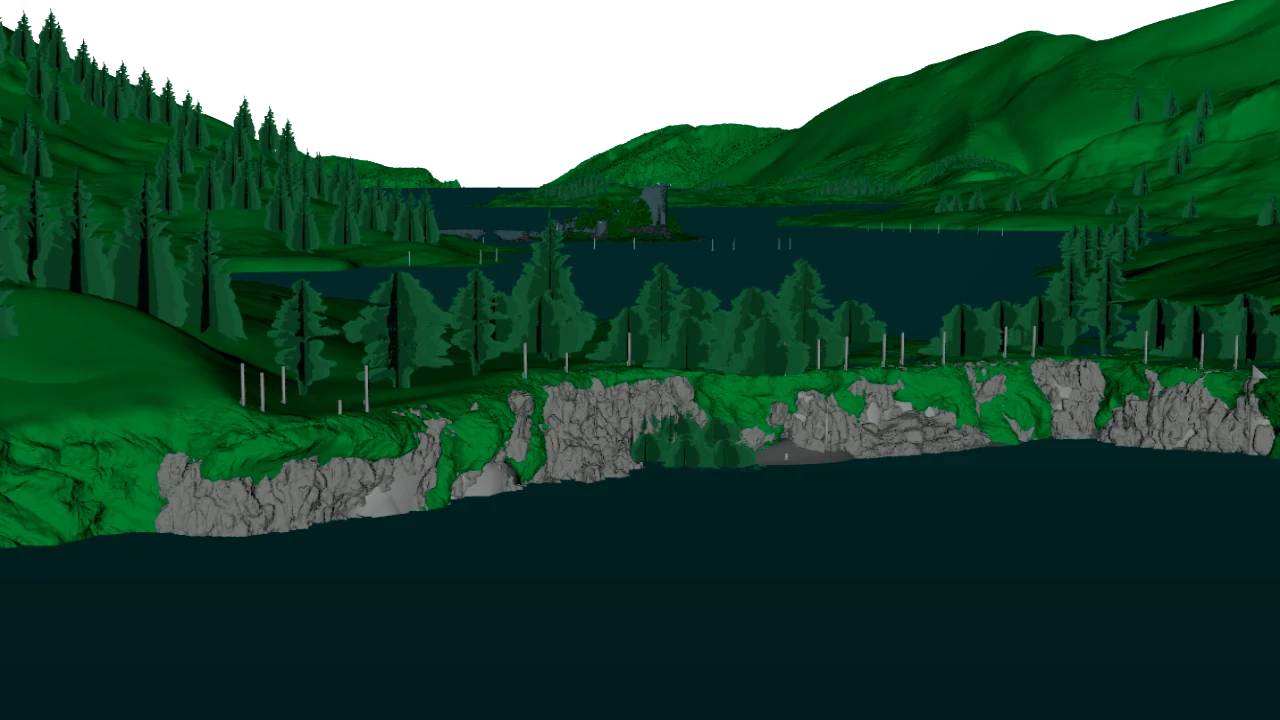
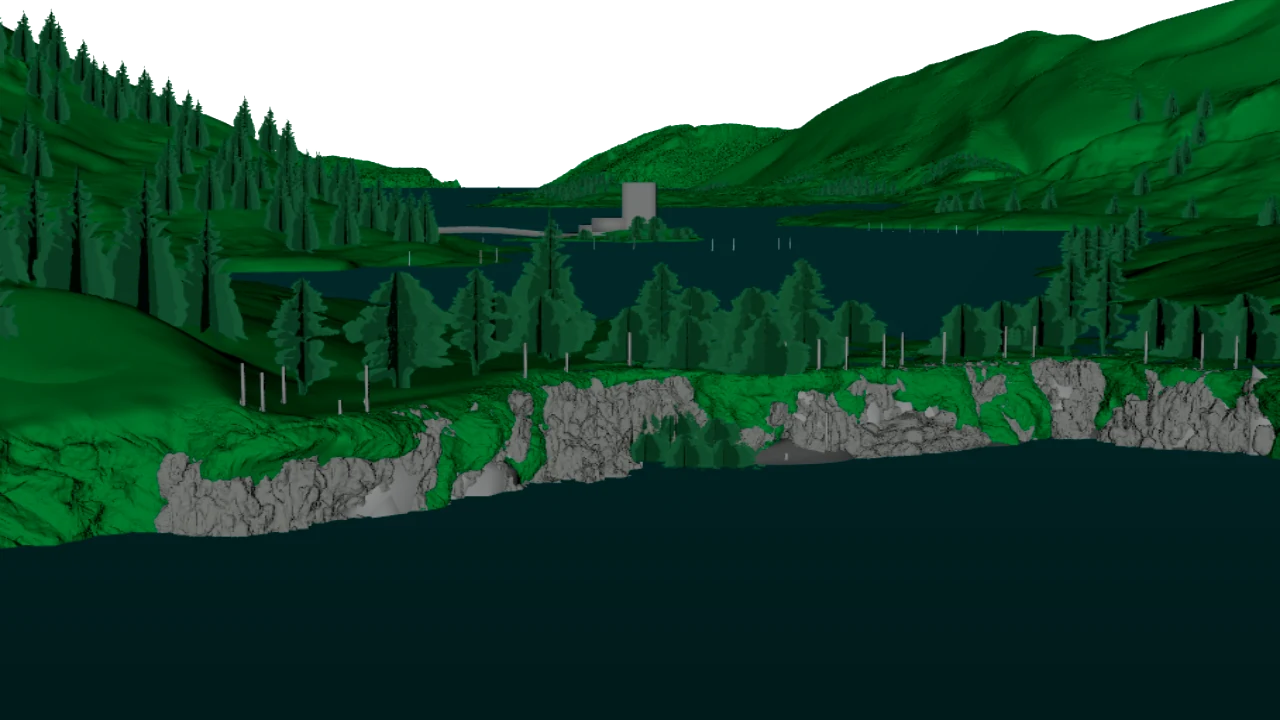
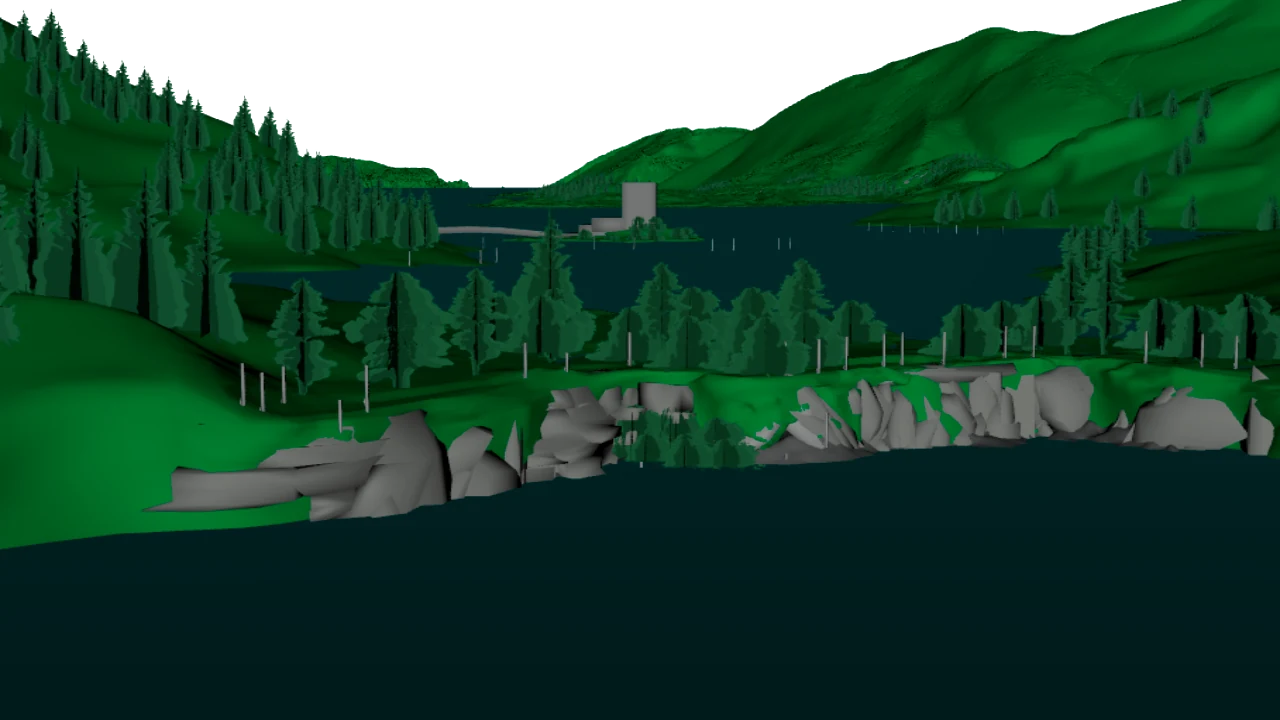
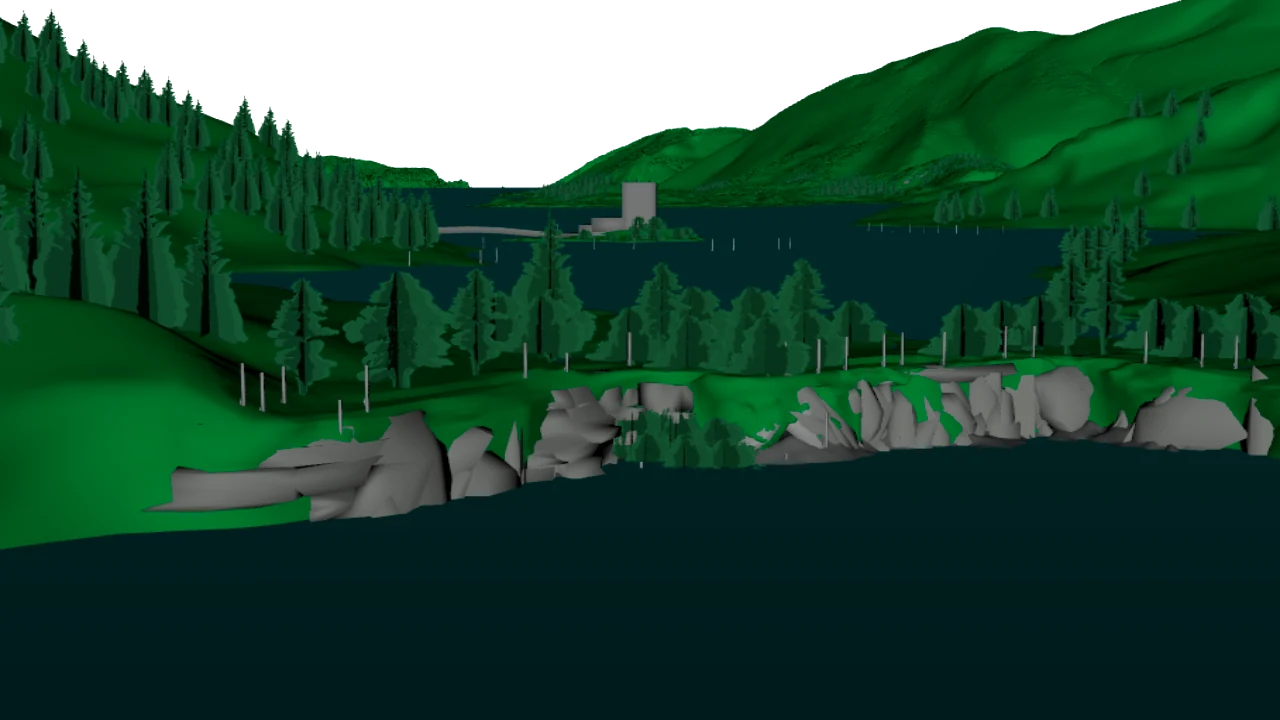
Personal Project · Environment Generalist
Environment Art · Personal Study
A personal environment study focused on cinematic composition, procedural terrain and vegetation, surfacing, atmosphere and large-scale world building. I also created the concept photobash that guided the composition and visual direction. The project was built in Solaris using Arnold, with a USD-based pipeline for environment assembly and look development.









01 · Final Environment
This final beauty was created as a large-environment test, used to validate the scale, composition, procedural terrain, vegetation and atmosphere before expanding the workflow across the wider project. The final image is largely a straight render from Solaris using Arnold, with only minimal compositing added in post.
02 · Development
03
I used a mix of landscape, castle and vegetation references to help shape the look of Serenity Valley. I was mainly looking for strong natural forms, old weathered architecture, layered vegetation and a sense of depth that would make the environment feel believable and cinematic.
04
I used this photobash as the main visual guide for the project. It helped me work out the composition, overall scale, terrain shapes, vegetation placement and atmosphere before taking the environment further in 3D.
05
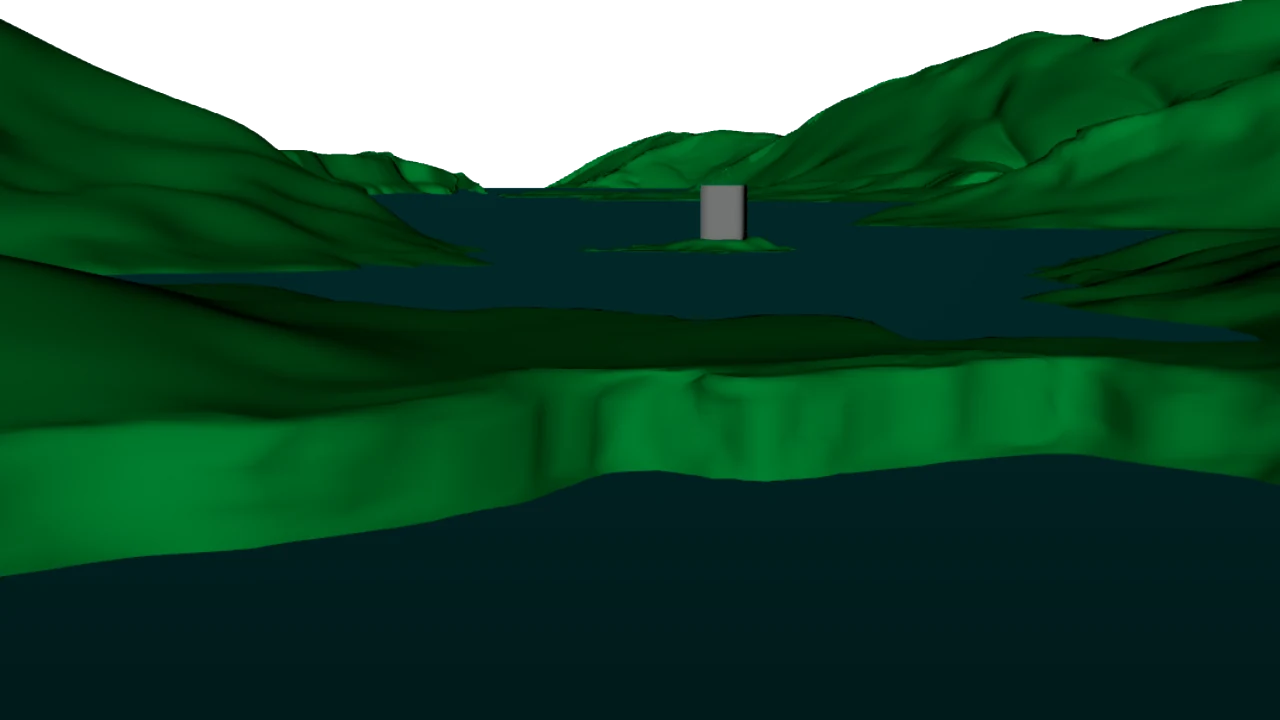
The island was developed through iterative blockout and composition passes, refining the terrain silhouette, castle placement, vegetation balance and camera readability before final surfacing.
06
The cliff workflow started from a low-resolution procedural base created using HeightField, which established the main silhouette and large forms. Additional erosion and higher-frequency detail were introduced progressively, allowing the result to remain art-directable while still developing natural surface complexity. The generated forms were continuously compared against the visual reference to keep the shapes grounded and intentional.
Grass Scatter
I built the grass scattering system around a combination of masks and procedural noise. The masks defined where the grass could appear, while layered noise values added breakup and variation across the terrain. By combining different noise patterns, I could control not only density and distribution, but also the orientation of the grass blades, which gave me much more control over how the vegetation reacted to the shape of the environment.
The setup was designed to stay art-directable. Instead of relying on a single random scatter, multiple masks and noise layers could be combined and adjusted independently, making it easier to control large areas while still keeping the result natural and varied.
This is a simple grass scatter setup used to test how procedural noise could control distribution and orientation across a cliff surface. By layering different noise values, I could introduce directional variation and avoid a purely random scatter.
I used procedural noise patterns to drive the grass scatter instead of relying on a purely random distribution. By combining and adjusting different noise values, I could control where the grass appeared, how dense it became, and how the blades were oriented across the terrain.
These noise patterns were combined to generate the final scatter controls. This gave me a flexible way to introduce natural breakup while still keeping the distribution and orientation art-directable.
The same controls could then be applied across larger terrain areas, keeping the distribution varied while still allowing specific regions to be adjusted independently.
System B
This reusable ivy system shaped and distributed growth across the castle surfaces while keeping direction, density and breakup art-directable. The setup could be adapted quickly to different areas of the environment without sacrificing natural variation.
System development
Beauty results
08
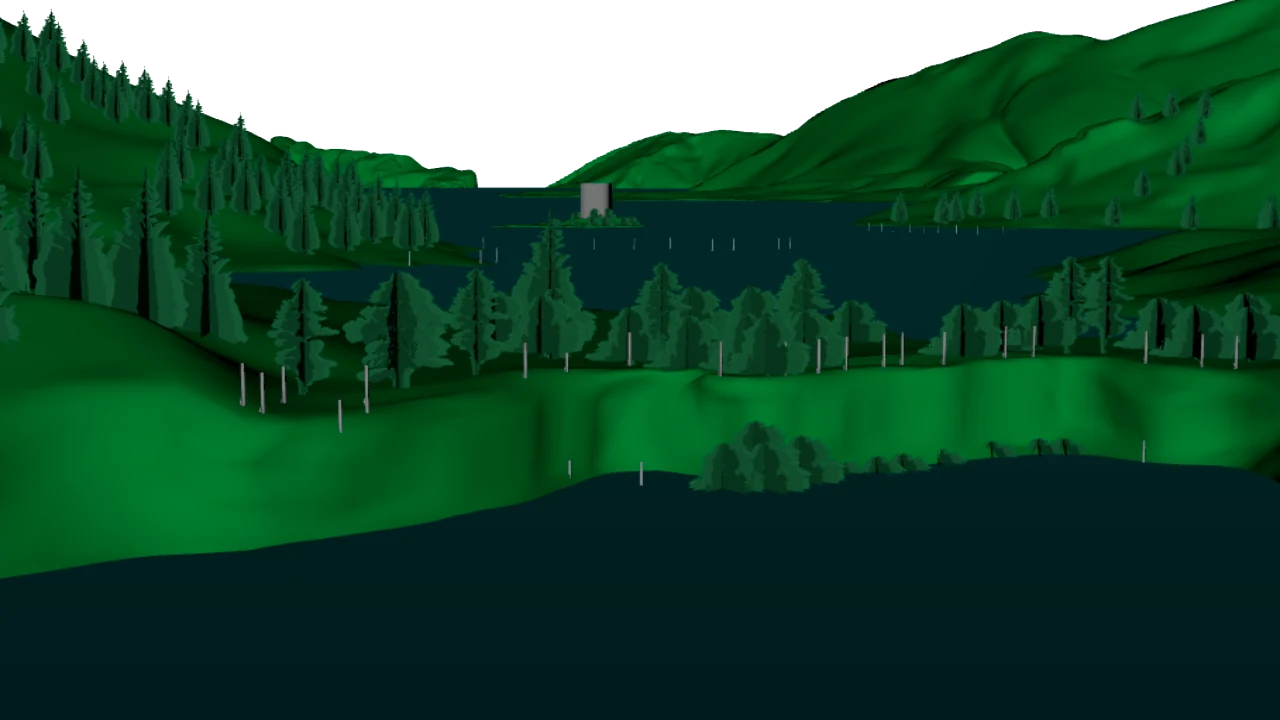
The trees were created in SpeedTree, then imported into Houdini for cleanup and optimization before being prepared as USD assets. I also created lower-resolution versions for set dressing, helping keep the environment efficient while maintaining enough variation across the scene.